
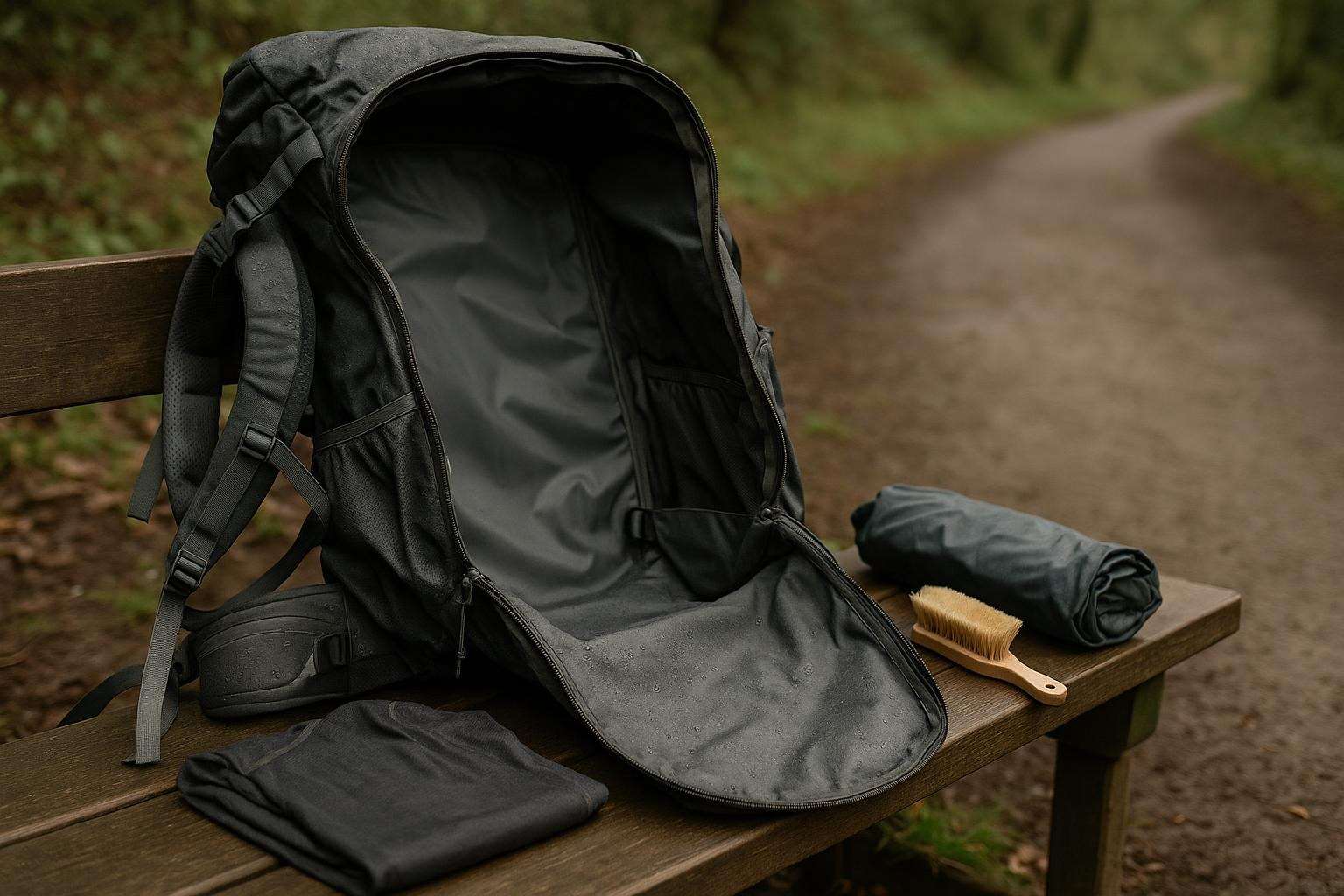
A Quick Guide, to Refreshing Your Wet Field Kit
After a hike or an outdoor workout it's easy to set your soaked rucksack down and forget about it.. That small act can lead to problems. Moisture can stay hidden in places you don't see-like foam shoulder straps, rolled-up clothing, inside pockets or even under covers. Dirt and grit can also build up on zippers and fabric coatings. A quick reset after a damp adventure is important. It keeps your gear fresh prevents smells stops corrosion and keeps your pack from getting too heavy on your trip. Focus on what needs attention. Clean things carefully.. Don't put anything back into the pack until it is fully dry.
Start with a Clean Slate: Empty the Pack
Don't hang your pack near a heater. That can do harm than good. Take out every item. Sort them into three groups: absorbent, damp but sturdy and almost dry. You might be surprised how things you forget about-like gloves tucked in pockets a folded sit mat or a water bottle sleeve hidden in a dry bag.
Open all compartments. Loosen compression straps. Remove any frame or padding if you can. Turn pockets inside out when possible. Closed zippers can trap water against the seams, which slows down drying. This step makes a difference in how your pack dries.
Keep electronics, batteries, maps and medical supplies in an area. If something is wet check the manufacturer's care instructions before doing anything. Never try to force open a device or use heat. Lay paper flat. Store electronics in a ventilated spot. Don't plug in. Charge any device until it is completely dry and free of moisture.
Focus on Water-Absorbing Materials First
Drying your gear doesn't mean treating everything the same. Start with the items that soak up the water-like clothing, towels and fabric pouches that were packed tightly together. Spread them flat. Don't stack them. This helps them dry faster. A fan can help move air. Avoid heat sources. Direct heat can damage adhesives, coatings and synthetic fabrics.
Hang your pack from a point-like a hook or beam. Avoid loops or clips that can break. Open the compartment wide so air can flow through. Keep the pack away from walls or clutter. If the outside is muddy let the dirt dry a first before brushing it off. Rubbing mud into the fabric can. Damage the surface.
Waterproof shells need care. After shaking off water wipe off dirt with a soft cloth. Hang them in a ventilated area. Check seams, zippers and coatings for any signs of wear. Folded or ground-contact damage can show up after a trip. Look closely.
Clean with Care: Protect Essential Finishes
You might think your gear needs a clean after every trip.. Most gear doesn't need that cleaning. What matters is cleaning it right. Always check the care label or the manufacturer's instructions. For fabrics, mild soap and clean water work fine.. Avoid detergents, solvents or anything not approved. These can ruin water-repellent finishes, damage Velcro or fade printed care tags.
Rinse mud from buckles and zipper tracks before moving the zipper. Use a brush to clean dirt out of the teeth. Never force a zipper. That can break it. Let parts dry completely before applying any lubricants or treatments. Use products meant for your type of zipper.
Footwear needs attention. If possible remove insoles. Clear. Debris from the tread. Dry boots at room temperature. Newspaper can help absorb moisture. Replace it when it gets soaked. Never pack boots while they still feel cool and damp on the inside. If you still smell odors after drying find the cause. Maybe there's trapped dirt or a wet lining. Don't just mask it with scent.
Pre-Check Before Repacking
After a trip it's a time to look for problems you might have missed. Check shoulder strap stitching. Look at the hip belt webbing. Inspect compression straps and pocket seams. Look for fraying, loose. Cracks in buckles. Some signs of wear might be small. They matter.
A dirty buckle can often be cleaned.. Loose stitching in a strap? That should not be ignored. The strap might fail under load. Don't use a repair for a trip unless you are sure it will hold. Check the manufacturer's guidelines.. Contact a repair service. Keep any gear with damage out of use until it is fixed.
Thoughtful Repacking for Future Trips
Once everything is fully dry don't just stuff things back in the way. Repack with your trip in mind. For a run you might only need a water bottle and a first-aid kit. For a hike you'll need insulation, food, navigation tools and more. Don't carry wet-weather gear unless you need it. It adds weight. Makes drying later.
Organize items into clearly labeled bags. That won't make them waterproof. It helps control moisture spread. It also makes wet gear easier to find and remove. Put items close to your body. This keeps your balance. Make sure used items are easy to reach.
Do a check. Make sure there is no smell. No cool dampness. No grit in zippers. No trapped water in pockets. Store your pack loosely with zippers open in a ventilated space. If your area has rules, about cleaning or repair products stay updated. Regulations can change.
Following this routine protects your gear. Makes your packing smarter. A dry inspected pack makes your next adventure easier. It also builds trust in your equipment. When you know your gear is ready you feel more confident.. That confidence helps you enjoy every trip.