
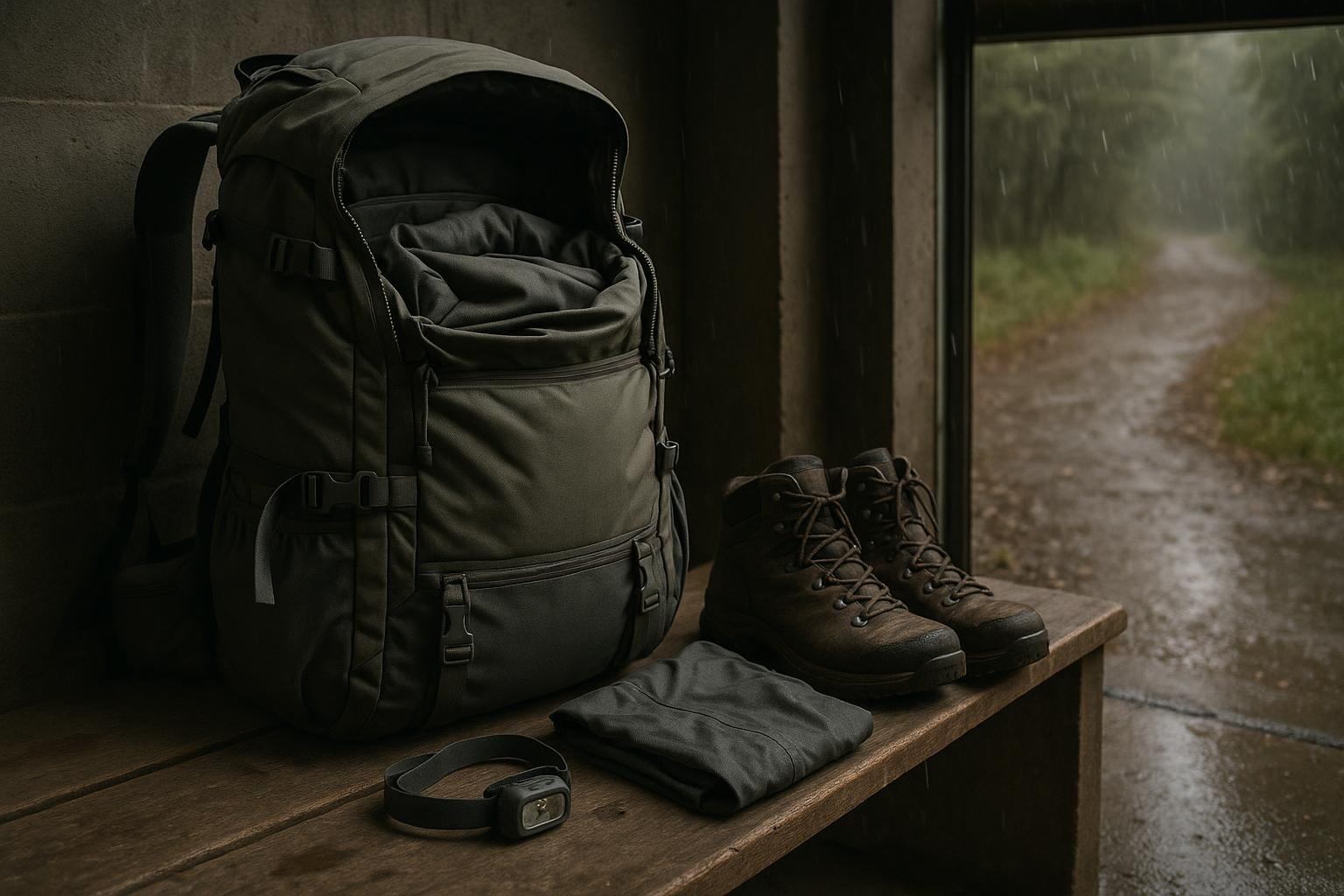
A day trip can show planning fast: a backpack that felt okay at home feels uncomfortable on a hill a jacket gets soaked after a rain or a headlamp is still in the cupboard when it gets dark. The answer isn't more gear. A good outdoor setup fits the trip's length, the ground, the weather, the group, the skills and the possible problems. Proves itself through testing and taking care of it. This guide explains how to make those choices, including when gear and military equipment help and when they just add weight.
Start with the trip, not the list of things to buy. Describe the adventure before picking items. A short walk in the woods near a road has needs than a remote hike, a wet training session or an overnight stay. Take note of the ground, the height, the temperature, the places to find shelter the water available how hard it is to navigate. If you will be alone or with others.
Trip length is one factor. A longer path in weather might need less clothes than a short trip in cold open conditions. A familiar trail can still be a problem if rain, low visibility or early dark is possible.
Sort your gear into three parts: what keeps you safe what helps you finish the activity and what makes it more comfortable. Navigation, proper clothes, water, food, light and a way to call for help are in the group. A camera accessory or a second mug can wait until the basics are covered.
Choose gear based on how it works and where it might fail. Think about what each item has to do. For a pack think about how it fits how easy it is to get things out how much it can carry and how it protects the inside from rain. For shoes look at the ground the grip, the support how much they need to break in. What happens if they get wet. For a layer decide if wind protection, waterproofing, breathability or how easy it is to carry matters most.
Tactical gear can be helpful when its design, strength or way of attaching things fits the activity. A pouch might help organize aid or tools and a strong belt can work well for regular training. Military gear is not always the best for every hike: it might be heavier not as weather focused or made for a kind of load.
Compare items. Check the weight the materials, the way they close how easy they are to fix and how they work with the rest of your gear. A feature is only useful if you will use it. Extra straps, unused pockets and stiff designs can become problems on climbs or when you change clothes often.
Build a set that works together. An outdoor kit should act as a team, not a pile of separate items. Test if the pack feels good with the clothes you plan to wear if the pockets are easy to reach without taking everything out and if wet and dry things can be kept apart. Keep the things you use often easy to get to. Avoid putting heavy items far from your back or high above your shoulders.
Use layers instead of one big item for every condition: a base layer that manages moisture a layer that keeps you warm and an outer layer that protects. Carry a layer if getting wet would be a safety issue but let the route and available shelter decide how much you need.
A check list before you leave can stop mistakes:
– Route, weather, daylight and a realistic plan to turn back are all checked
– Phone or navigation device is charged, with a backup way to find your way
– Water, food and any needed medicine are packed
– Shoes, fasteners, straps and protective layers are all checked
– Light, first aid and emergency contact info are easy to get
– Rain gear is tested instead of just assumed
The list helps with decisions not replaces them. If the weather changes or the path becomes harder than expected change the plan of forcing the original schedule.
Test new gear on a trip near home first. Walk with the pack and look for pressure points things that move around straps that rub or pockets that open when you bend. Wear the clothes you expect to use, including the base layer; something that works alone might not work under a pack or with layers.
Watch for problems. A zip that catches a buckle that's hard to use with hands, a bottle that leaks or a map case that fogs up might be annoying on a short walk and serious later. Write down the issue then fix it replace the item or change how it is packed.
Don't depend on labels or guesses for things. A jacket that says weather-resistant still needs the care and use. Check the maker's instructions for cleaning, waterproofing, limits and what it works with. Make sure about the rules for your trip by looking at the official info since rules about where you can go, fires, transport and gear can change.
Clean, dry and check everything after each trip. Care starts when you get back. Empty all the pockets remove dirt from zips and fasteners and look at the seams, soles, buckles, cords and stitches. Dry all things completely in a good place before putting them away; high heat can damage fabrics, coatings, foams and glue.
Follow the care instructions of treating all technical clothes the same. Some soaps, fabric softeners or homemade waterproofing can lower performance. Leave traces. Boots might need cleaning and drying than packs and metal parts should be checked for rust after being in mud or salt.
Store gear without squishing it keeping it wet or exposing it much to sun. Keep batteries separate when needed and replace anything that is clearly broken before the trip instead of hoping it stays okay.
Finally think about what you brought but never used what was hard to get to and what didn't work well. That record is more helpful, than buying by habit. Over time the best outdoor gear becomes a set of tools you choose on purpose for your trips and kept well enough to be ready when the weather is not good.